Chino highlight
Growing residential
Chino's population has grown dramatically since 1960, expanding from about 10,000 residents to over 91,000 by 2020, with most residential construction occurring after 1970.
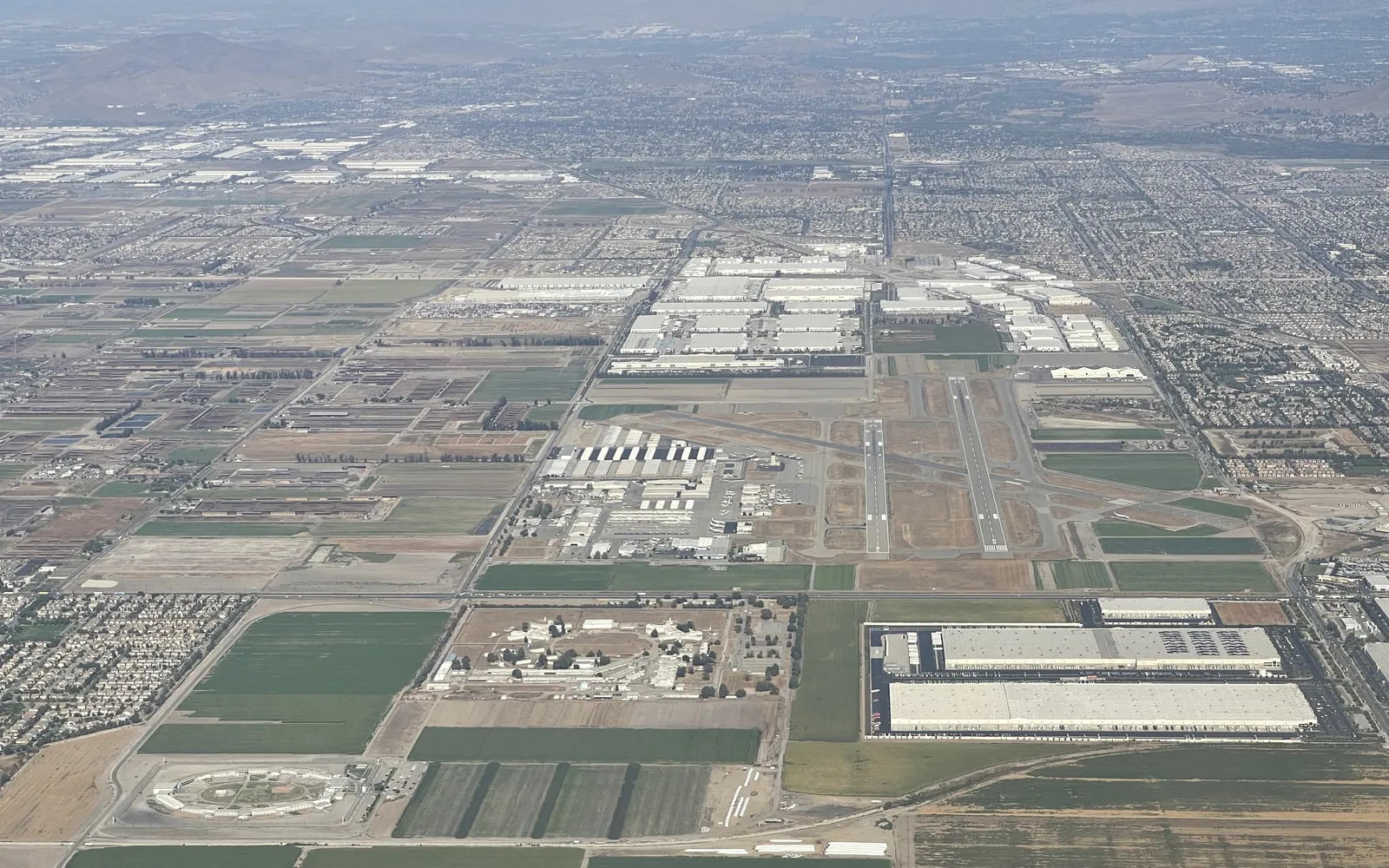
Chino in 1960 was a small farming town with fewer than 11,000 residents. Over the next two decades, the city exploded: the population nearly doubled in the 1960s and nearly doubled again in the 1970s, driven by families seeking affordable housing and land in Southern California. The median year of construction for Chino's homes is 1987, reflecting this wave of suburban development that transformed farmland into neighborhoods. By 1990, Chino was home to nearly 60,000 people, and that growth has continued: the city had reached 91,489 residents by the 2020 Census.
In the twenty-first century, Chino continues to add housing as new families arrive. More than 30 percent of the city's homes were built after 2000, which means that entire neighborhoods and schools are less than a generation old. Young families moving to Chino find a community still building itself, with new subdivisions, schools, and commercial areas that give the city a feeling of possibility. The growth has not slowed; Chino is adding new housing units steadily, with construction ongoing in newly developed areas.
A growing city means growing families, and growing families make decisions about money, work, and protection. When a household moves to a new home in Chino, when children arrive, when a second income begins or ends, life insurance becomes practical: a way to keep the people who depend on your paycheck steady if something happens. Term coverage let you buy the exact protection you need for the years you need it.